April 14, 2026
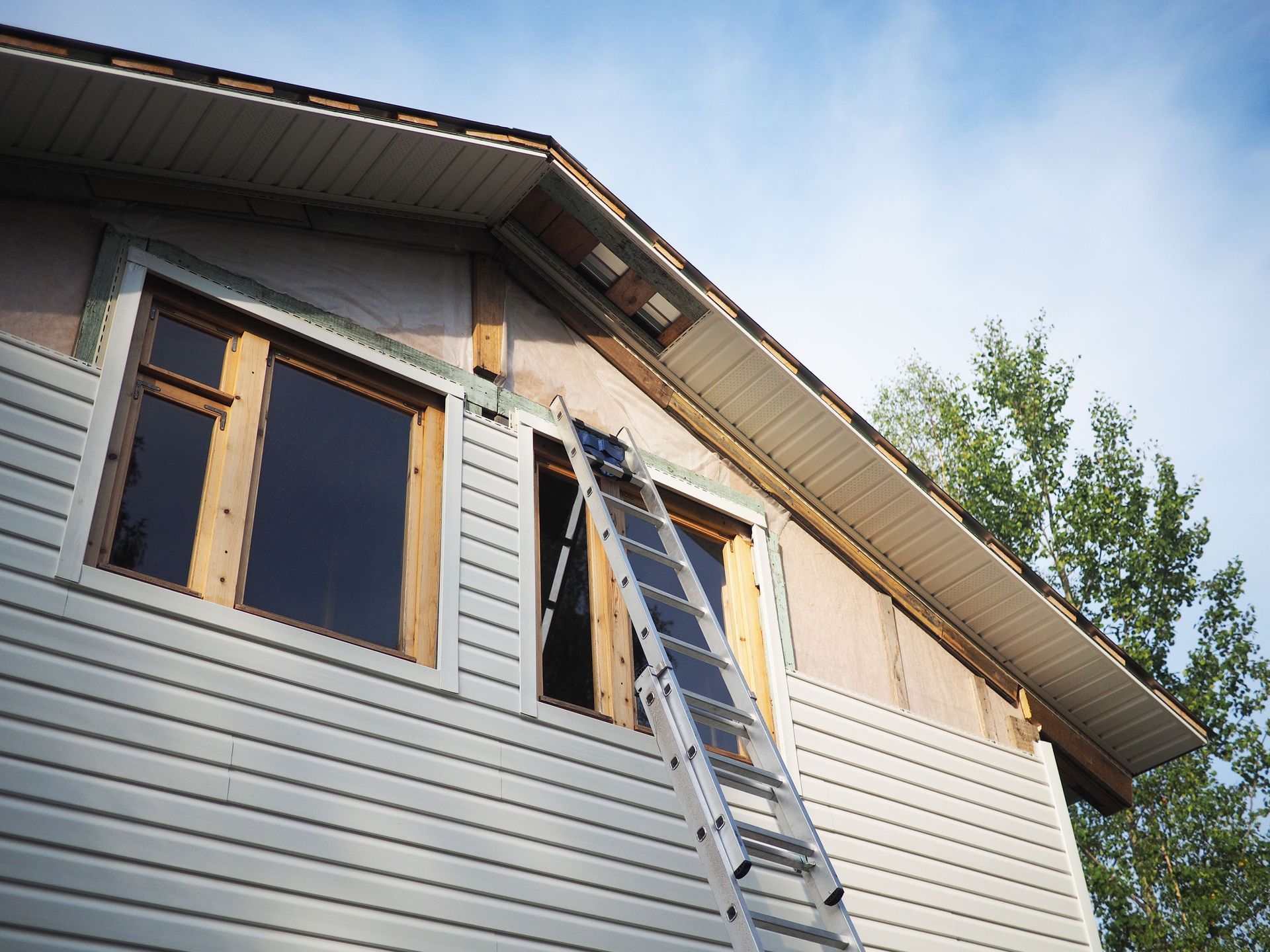
Sustainable living has shifted from trend to necessity. Homeowners are paying closer attention to how their properties consume energy, manage resources, and impact the environment over time. Practical upgrades now carry more weight than cosmetic ones, especially when they deliver both environmental and financial returns. One of the most effective improvements is upgrading outdated windows. While it may not seem dramatic at first glance, window installation plays a critical role in how efficiently a home operates. Windows influence heating, cooling, insulation, and overall indoor comfort every day.
Replacing old windows is not simply a renovation decision. It is a strategic move that supports lower energy consumption, reduces waste, and strengthens long-term property value. When approached thoughtfully, it becomes a foundational step toward building a more sustainable lifestyle.
Improving The Energy Efficiency of Your Home
Old windows are one of the most common sources of energy loss in residential properties. Single-pane glass, worn seals, and outdated framing allow air to pass through far too easily. This forces heating and cooling systems to compensate, increasing overall energy consumption.
According to the Department of Energy, heat transfer from windows is responsible for 25% to 30% of residential energy use for heating and cooling. That statistic alone underscores how impactful window upgrades can be. Proper window installation directly addresses a major inefficiency inside the home.
Modern windows use multi-pane glass, insulated frames, and low-emissivity coatings to reduce unwanted heat transfer. These improvements help stabilize indoor temperatures and minimize energy waste. Over time, that added efficiency significantly reduces both utility bills and environmental impact.
Beyond insulation, energy-efficient windows are often designed to optimize natural light without increasing unwanted heat gain. This means homeowners can rely more on daylight and less on artificial lighting during daytime hours. Even small reductions in electricity use contribute to broader sustainability goals when multiplied across an entire household.
Reducing The Strain on Heating and Cooling Systems
When windows leak air, HVAC systems must work harder to maintain consistent temperatures. They cycle more frequently and operate longer, which increases energy use and mechanical wear. This pattern shortens equipment lifespan and raises maintenance costs.
Professional window installation strengthens the home’s building envelope. With better sealing and insulation, temperature swings become less extreme and rooms feel more balanced. HVAC systems operate more efficiently because they are no longer compensating for drafts or heat gain.
Reducing system strain supports sustainability in two ways. It lowers overall energy demand and extends the life of existing equipment. Fewer replacements mean fewer materials consumed and less waste produced over time.
In many homes, older windows also create uneven temperature zones, making certain rooms uncomfortable. Homeowners may respond by adjusting thermostats higher or lower than necessary, further increasing energy use. Efficient windows reduce this imbalance and help maintain consistent comfort throughout the entire property.
Lowering The Carbon Footprint of Your Household
Energy consumption and carbon emissions are closely connected. The more electricity or fuel a household uses, the greater its indirect environmental footprint. Inefficient windows contribute to unnecessary energy demand year-round.
Upgrading through strategic window installation helps reduce that demand. By limiting heat loss in winter and solar heat gain in summer, modern windows cut down on the amount of energy required to maintain comfort. This translates into fewer emissions tied to heating and cooling.
While a single upgrade may seem small, cumulative improvements matter. When many homeowners choose energy-efficient windows, the collective reduction in emissions becomes meaningful. Sustainable living often begins with practical, repeatable decisions like this one.
Lower energy use also supports grid stability during peak seasons. When households reduce demand during extreme temperatures, communities experience fewer strain-related issues. In that way, replacing outdated windows contributes not only to individual sustainability but also to broader energy resilience.
Supporting The Use of Sustainable Materials
Sustainability is not limited to energy savings. It also includes how products are manufactured and what materials are used. Modern window systems increasingly incorporate recycled glass, responsibly sourced wood, and durable composite materials designed for longevity.
Thoughtful window installation supports manufacturers that prioritize environmentally responsible production. Many companies now focus on reducing waste during manufacturing and improving recycling processes at the end of a window’s lifespan. This shift helps minimize the environmental impact across the entire product cycle.
Durability plays an essential role as well. Windows built to last decades reduce the frequency of replacement, conserving raw materials and limiting landfill waste. Choosing long-lasting components supports a more circular and resource-conscious approach to home improvement.
Additionally, many modern windows are designed for improved recyclability at the end of their service life. Frames and glass components can often be repurposed rather than discarded. That forward-thinking design reinforces the broader goal of reducing environmental impact across multiple stages of ownership.
Increasing The Long-Term Value of Your Home
Energy-efficient upgrades continue to rank highly among buyers. Homes that demonstrate lower operating costs and improved insulation tend to attract more interest in competitive markets. Updated windows contribute to both aesthetic appeal and functional performance.
Professional window installation signals quality and proactive maintenance. Buyers recognize the benefit of reduced utility expenses and improved indoor comfort. These features can strengthen resale positioning and support higher property valuations.
Beyond resale, long-term value also comes from reduced maintenance and repair costs. Modern windows require less upkeep and offer improved durability compared to outdated models. That stability reinforces both financial and environmental sustainability.
There is also a psychological component to value. A home that feels efficient, bright, and comfortable is perceived as better maintained. When buyers see upgraded windows, they often assume other systems have been cared for as well. This perception can influence overall market appeal.
Enhancing The Comfort and Livability of Indoor Spaces
Sustainability should enhance daily living, not complicate it. Drafty rooms, cold spots near glass, and excessive summer heat reduce comfort and create ongoing frustration. Outdated windows often contribute to these issues.
With upgraded window installation, indoor environments become more consistent and comfortable. Improved insulation reduces cold drafts in winter and limits heat buildup during warmer months. Many homeowners notice quieter interiors as well, thanks to better sound insulation.
Comfort is often the most immediate and noticeable benefit. When a home feels stable and balanced throughout the year, reliance on constant thermostat adjustments decreases. That comfort reinforces the value of sustainable improvements in a tangible way.
Improved natural lighting also enhances livability. Modern window designs allow for better daylight distribution without compromising efficiency. This creates brighter, more inviting spaces that support well-being while reducing dependence on artificial lighting.
Extending The Lifecycle of Your Home’s Infrastructure
A sustainable home is built to perform efficiently for decades. Outdated components speed up wear on surrounding systems, resulting in more frequent repairs and replacements. Leaking or structurally compromised windows can impact framing, insulation, and even indoor air quality.
Modern window installation reinforces the building envelope by improving sealing and moisture control. This reduces the risk of mold, rot, and insulation damage while extending the lifespan of critical structural elements. Stronger performance at this level protects the home as a whole.
Durable upgrades also reduce waste by limiting the need for repeated replacements. Rather than continually fixing failing components, homeowners invest in systems designed to last. That long-term mindset supports both financial efficiency and environmental responsibility.
Windows are not isolated features; they influence how a home manages air, temperature, and moisture. Replacing old windows is a practical step toward sustainable living, improving energy efficiency, reducing HVAC strain, lowering emissions, and strengthening long-term durability.
Window installation is not simply about appearance or resale. It is about creating a home that consumes less, performs better, and lasts longer. When you invest in efficient windows, you are making a measurable commitment to both environmental responsibility and financial resilience. If you are ready to improve your home’s efficiency and support a more sustainable future, contact Home Exteriors Energy Consultants today.