January 13, 2026
Understanding the importance of energy efficiency in the home is crucial for environmental conservation and cost savings. By making strategic replacements, homeowners can significantly reduce energy consumption and create a more eco-friendly living space. Let's take a moment to explore some of the various replacements that can enhance home efficiency.
1. Replacing Windows for Better Insulation
Identifying Energy-Efficient Window Types
Choosing the right type of window can dramatically influence your home's energy efficiency. Energy-efficient windows are specifically designed to prevent heated or cooled air from escaping your home. Among the various types, double and triple-glazed windows are among the most effective. These windows consist of two or three glass panes with air or gas-filled spaces between them for better insulation. With the right selection, you can maintain a consistent indoor temperature throughout the year.
Selecting Low-E Coatings and Glazing Options
Low-emission (Low-E) coatings play a vital role in controlling heat transfer through windows. This thin metallic coating reflects heat while allowing natural light to illuminate your home. Depending on your climate, you may opt for specific glazing choices that enhance energy performance. Solar control films can be added for homes in sun-drenched locales, which reduce heat gain. Enhanced glazing not only improves comfort but also contributes to a reduction in energy bills.
Understanding the Benefits of Double and Triple Glazing
The primary benefit of double and triple glazed windows is their superior insulating properties. These windows are highly effective in noise reduction as well, making your home not only energy-efficient but also more peaceful. They are beneficial in both hot and cold climates by maintaining a balanced internal environment. The additional layers of glass serve as a barrier, lowering energy bills by reducing the need for heating and cooling. Furthermore, they provide an excellent return on investment through potential energy savings over time.
In addition to energy savings, double and triple glazing can enhance overall home comfort by reducing condensation on interior glass surfaces. This helps protect window frames and surrounding materials from moisture-related damage while improving indoor air quality. These glazing systems also increase security due to their added strength and thickness, making windows more resistant to impact. Over time, the combination of improved comfort, reduced maintenance concerns, and enhanced durability makes double and triple glazed windows a smart upgrade for homeowners focused on both efficiency and long-term value.
2. Exterior Door Replacement for Improved Energy Performance
Why Exterior Doors Matter for Efficiency
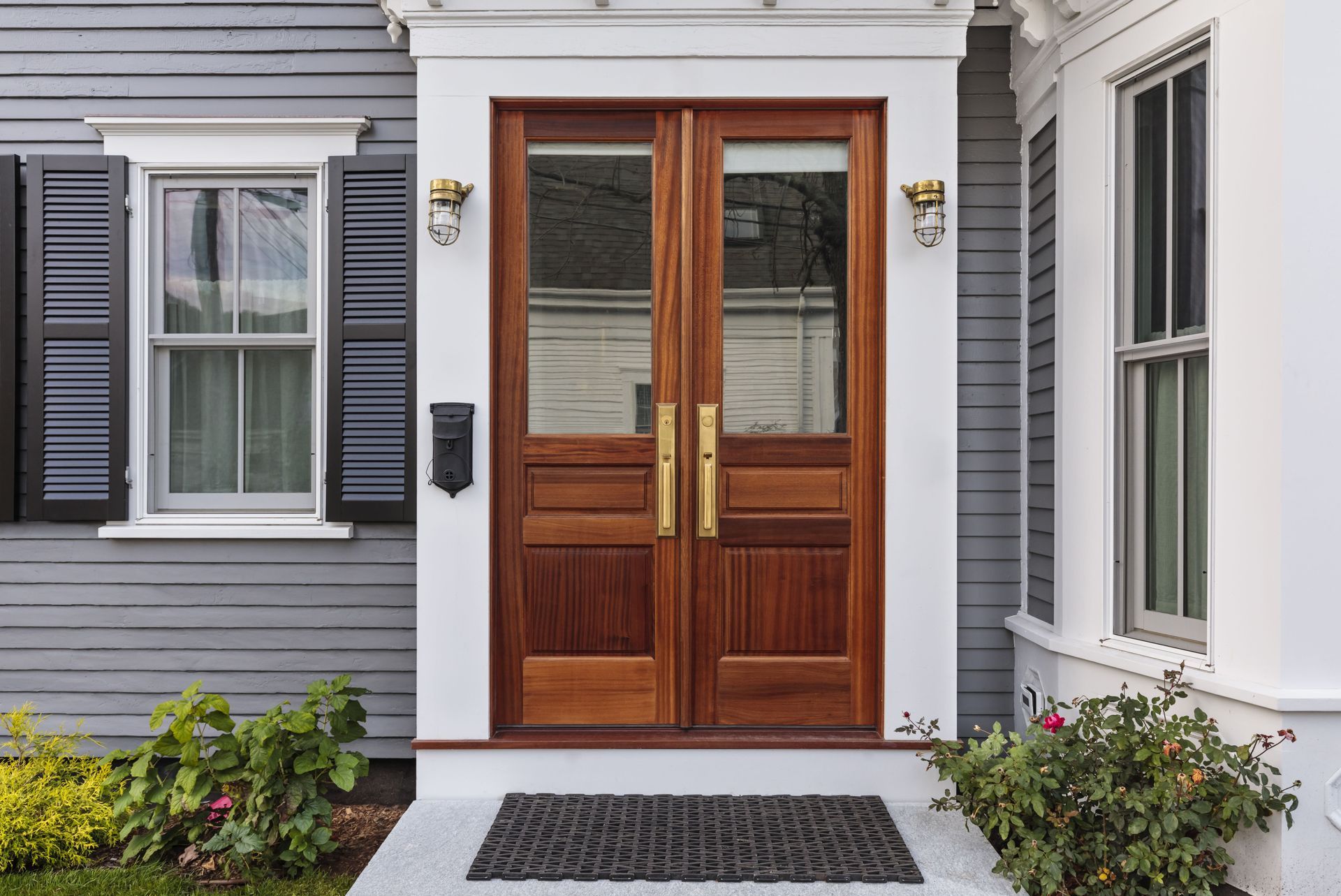
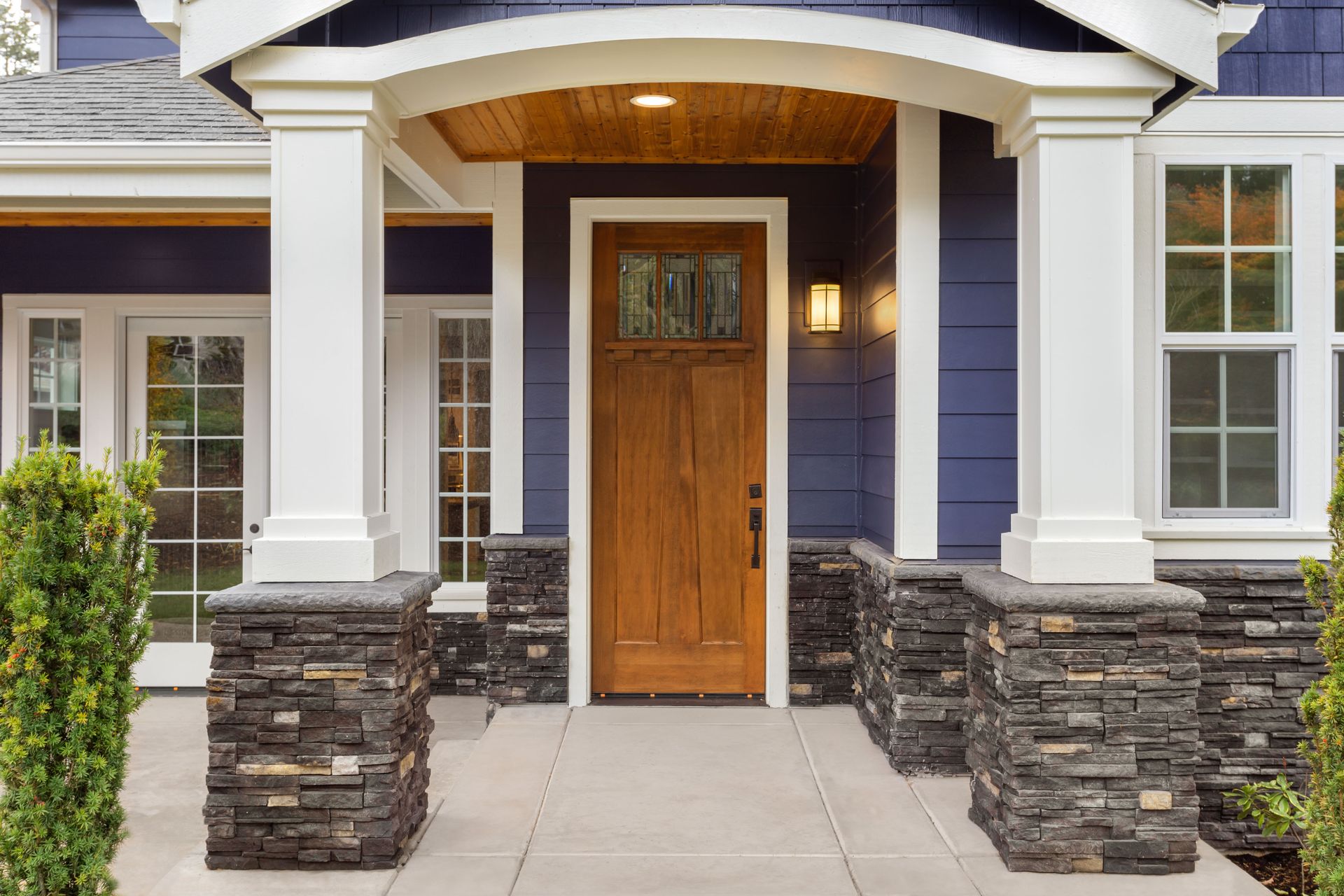
Exterior doors are one of the most commonly overlooked sources of air leakage in a home, yet they play a critical role in maintaining indoor comfort and efficiency. Over time, cracks, gaps, worn weatherstripping, and outdated materials can develop around door frames, allowing conditioned air to escape and outdoor air to enter. This constant exchange forces HVAC systems to work harder to maintain desired temperatures, which can lead to higher energy bills and increased wear on equipment. Investing in an exterior door replacement helps seal the building envelope by improving insulation and eliminating drafts at key entry points. With a properly fitted, energy-efficient door in place, homeowners can achieve more stable indoor temperatures throughout the year while reducing overall energy consumption.
Choosing Energy-Efficient Door Materials
Modern exterior door replacement options include insulated steel, fiberglass, and composite doors that are specifically engineered to resist heat transfer and improve overall efficiency. These doors typically feature high-density foam cores, thermal breaks, and advanced weatherstripping systems that work together to limit air infiltration and reduce drafts. Many designs also incorporate energy-efficient glazing in decorative glass panels without sacrificing insulation performance. Compared to older wood doors, which can warp, crack, or swell over time, newer exterior door replacement solutions provide greater durability, more consistent sealing, and lower ongoing maintenance requirements. As a result, homeowners benefit from improved comfort, reduced strain on heating and cooling systems, and meaningful long-term energy savings.
How Exterior Door Upgrades Support Financial Incentives
Beyond comfort improvements, exterior door replacement projects may qualify for energy-efficiency incentives and tax credits. According to Rewiring America, families claim more than $2 billion in credits, averaging $880 in tax relief per household annually. These incentives can significantly offset upfront costs, making exterior door upgrades more accessible for homeowners focused on efficiency.
3. Upgrading Siding to Reduce Heat Loss
The Role of Insulated Siding
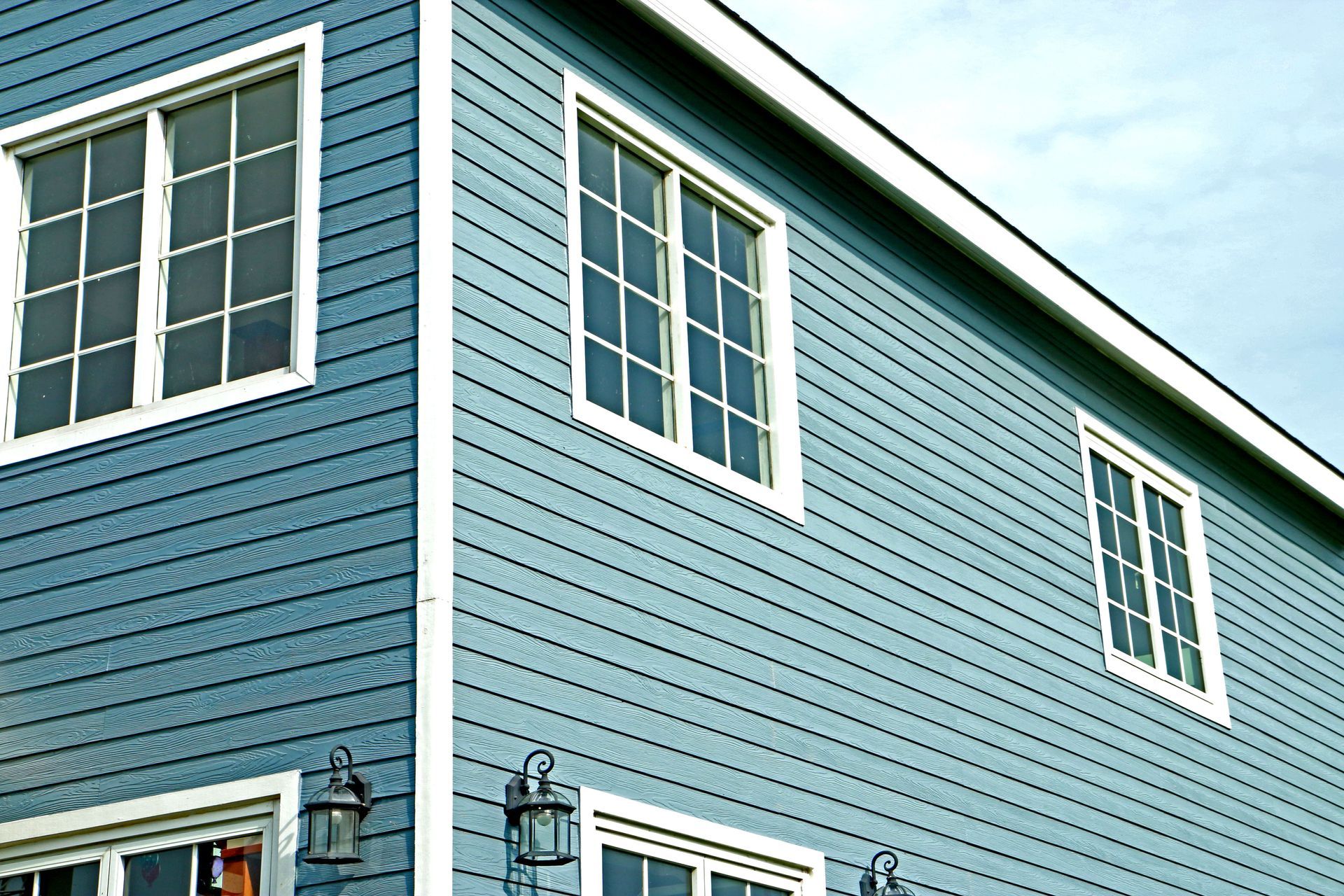
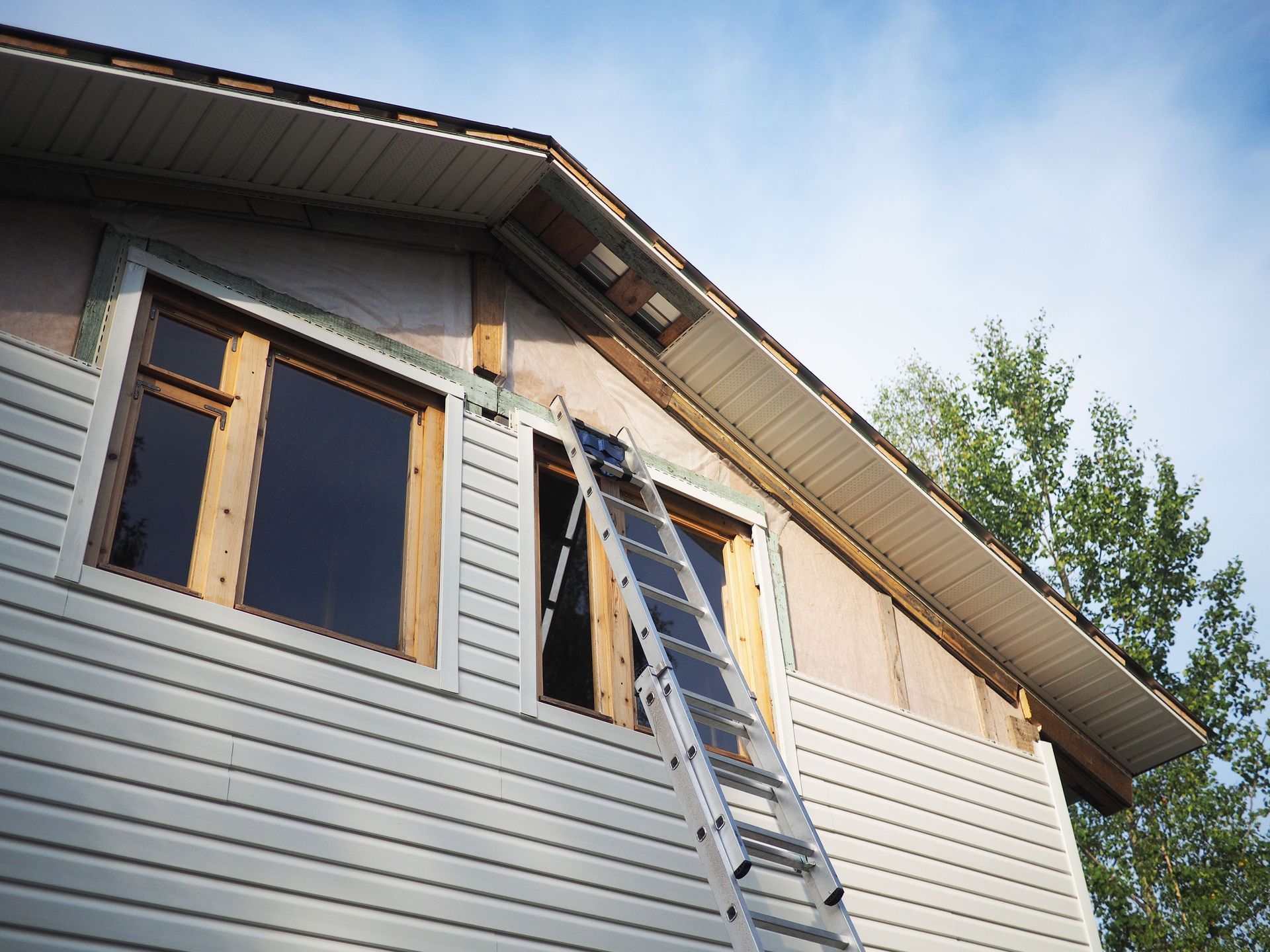
Siding acts as a protective barrier between your home and outdoor elements, shielding the structure from wind, moisture, and temperature extremes. Insulated siding options add an extra layer of thermal resistance by incorporating rigid foam backing or integrated insulation, which helps prevent heat loss during colder months and reduces heat gain in warmer seasons. This added insulation also minimizes thermal bridging along wall studs, improving overall wall performance. When paired with window upgrades and exterior door replacement, insulated siding helps create a tighter building envelope that limits drafts and air leakage. Together, these upgrades strengthen overall energy performance, enhance indoor comfort, and contribute to lower heating and cooling costs throughout the year.
Material Choices That Enhance Efficiency
Vinyl, fiber cement, and engineered wood siding can all contribute to improved insulation when installed correctly, offering both thermal performance and long-term durability. These materials are often paired with insulated backing or house wrap systems that help reduce thermal bridging and maintain consistent indoor temperatures. Many modern siding products are engineered to minimize air infiltration while resisting moisture damage, which is essential for preventing mold growth and structural deterioration. Proper installation is critical, as gaps, misaligned panels, or poor sealing around joints and penetrations can undermine even the most efficient materials. When siding is professionally installed with attention to flashing, weather barriers, and ventilation, it creates a tighter building envelope that enhances comfort, lowers energy costs, and protects the home from environmental stressors.
4. Roofing Improvements for Long-Term Energy Savings
Reflective and Cool Roofing Options
Roofing plays a major role in regulating indoor temperatures, especially in warmer climates where excessive heat gain can drive up cooling costs. Cool roofing materials are specifically designed to reflect more sunlight and absorb less heat than traditional roofing, helping to keep the roof surface and interior spaces cooler throughout the day. This reduction in heat transfer lessens the strain on air conditioning systems, which can improve efficiency and extend equipment lifespan. When combined with proper attic insulation and ventilation, new roofing systems create a more effective thermal barrier that limits heat buildup and promotes consistent indoor comfort. Together, these improvements can significantly lower energy usage across the home while contributing to long-term savings and improved overall performance.
How Roofing Complements Other Exterior Upgrades
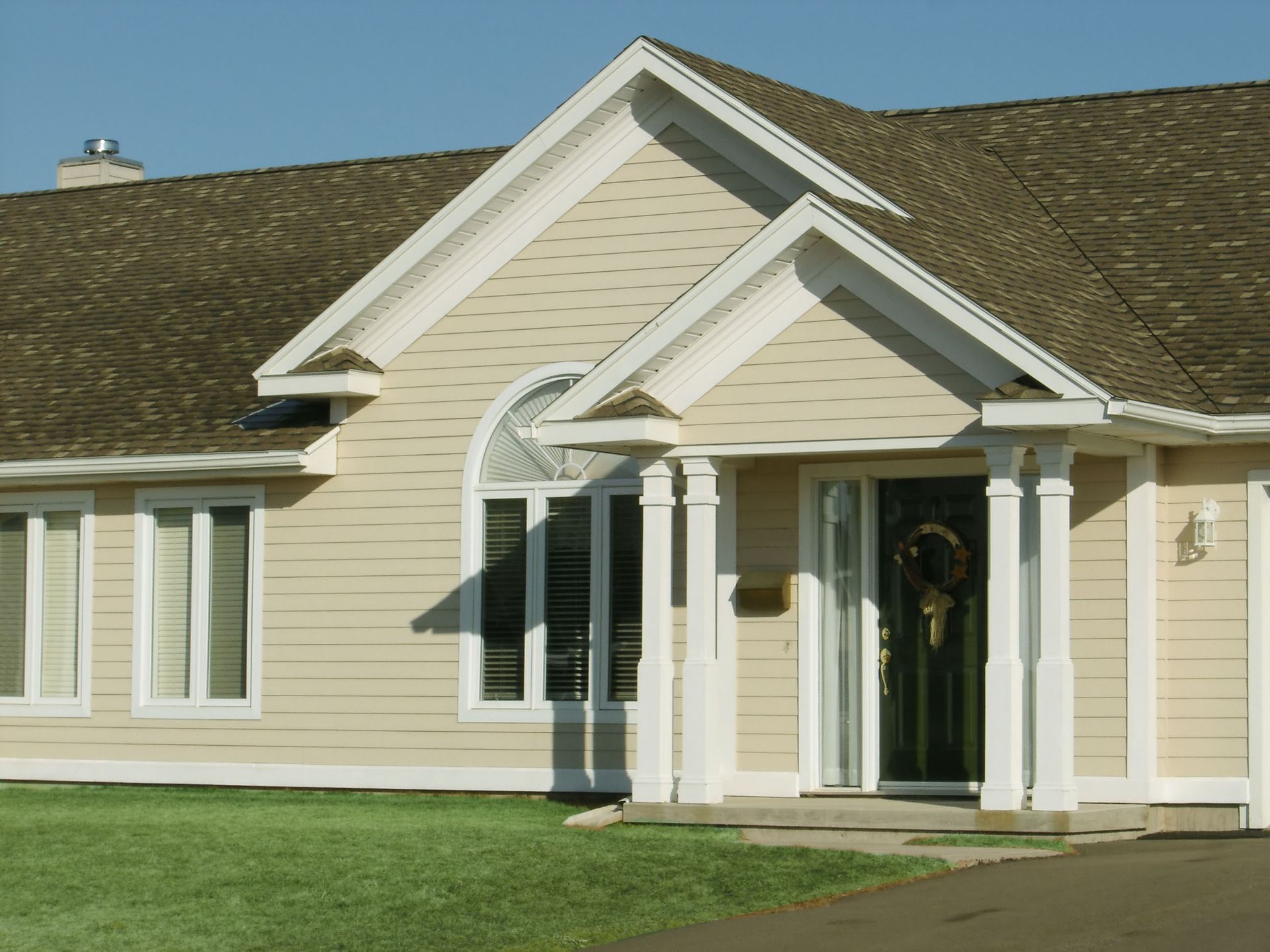
Energy-efficient roofing works best when paired with other exterior improvements, such as window upgrades, siding replacement, and exterior door replacement. Each of these components plays a role in sealing the home's exterior envelope, and when addressed together, they reduce the pathways through which heat and air can escape. Roofing helps manage solar heat gain from above, while upgraded windows and siding control thermal transfer through walls and openings. Exterior door replacement further supports this system by eliminating drafts and improving insulation at one of the most frequently used access points in the home. Together, these improvements form a cohesive, high-performing exterior system that promotes consistent indoor temperatures, reduces energy demand, and creates a more stable and comfortable indoor environment year-round.
By making deliberate replacements within the home, such as windows, exterior door replacement projects, siding upgrades, and roofing improvements, homeowners can substantially enhance the energy efficiency of their living spaces. These changes reduce environmental impact while supporting measurable cost savings over time. If you'd like to take advantage of greater home efficiency, reach out to the experts at Home Exteriors Energy Consultants. We can get you started today with a free estimate on our quality work!