October 15, 2026
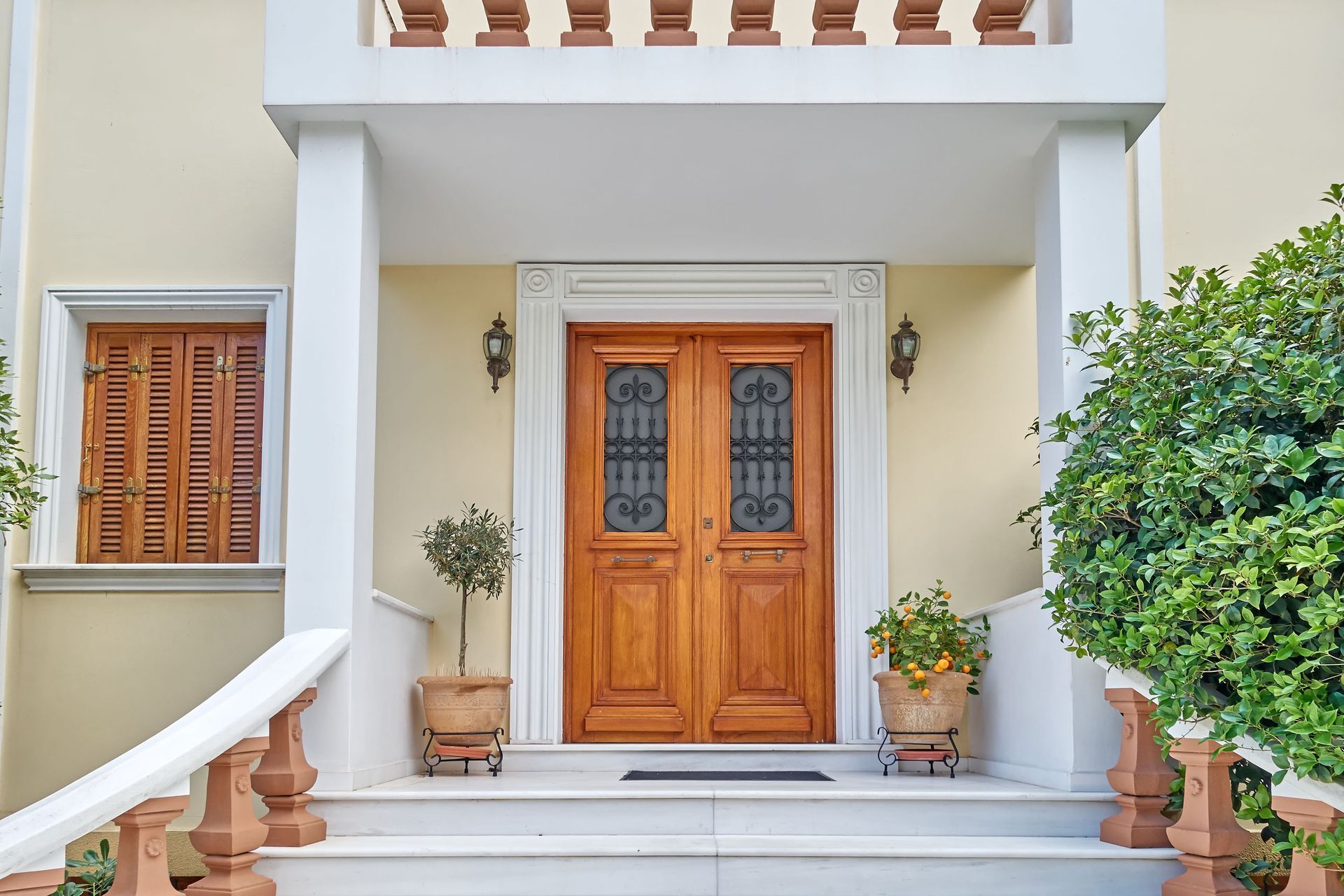
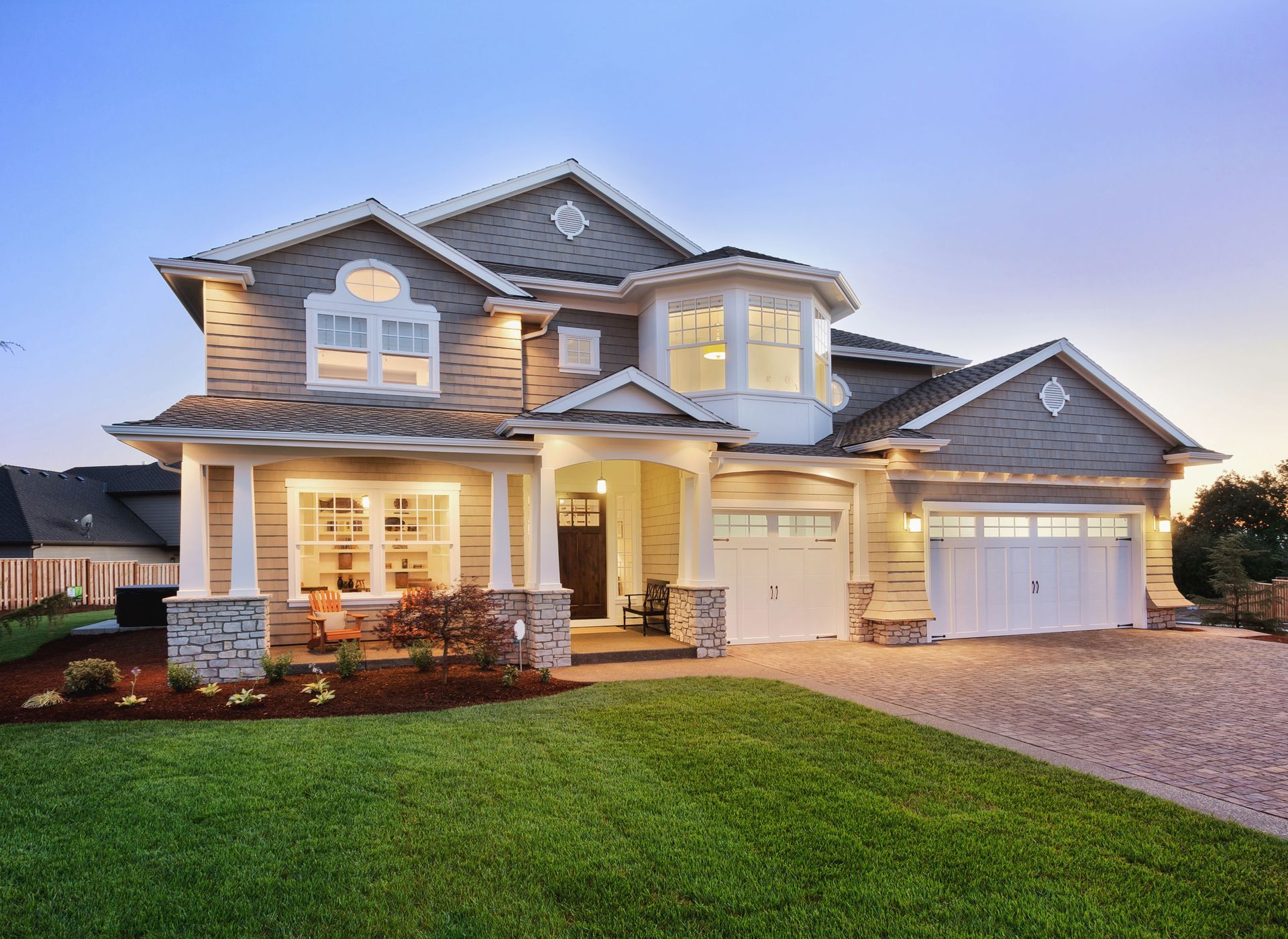
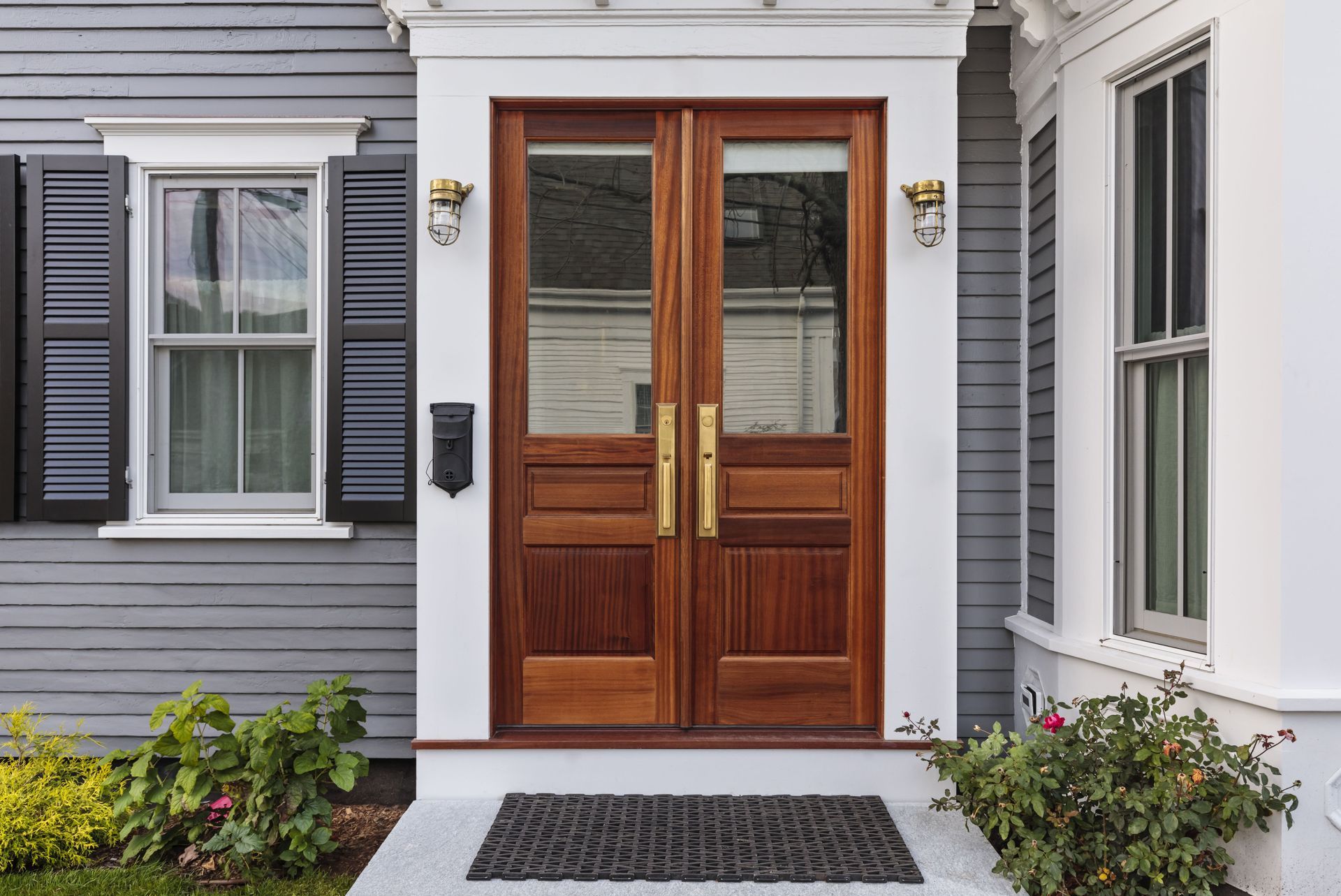
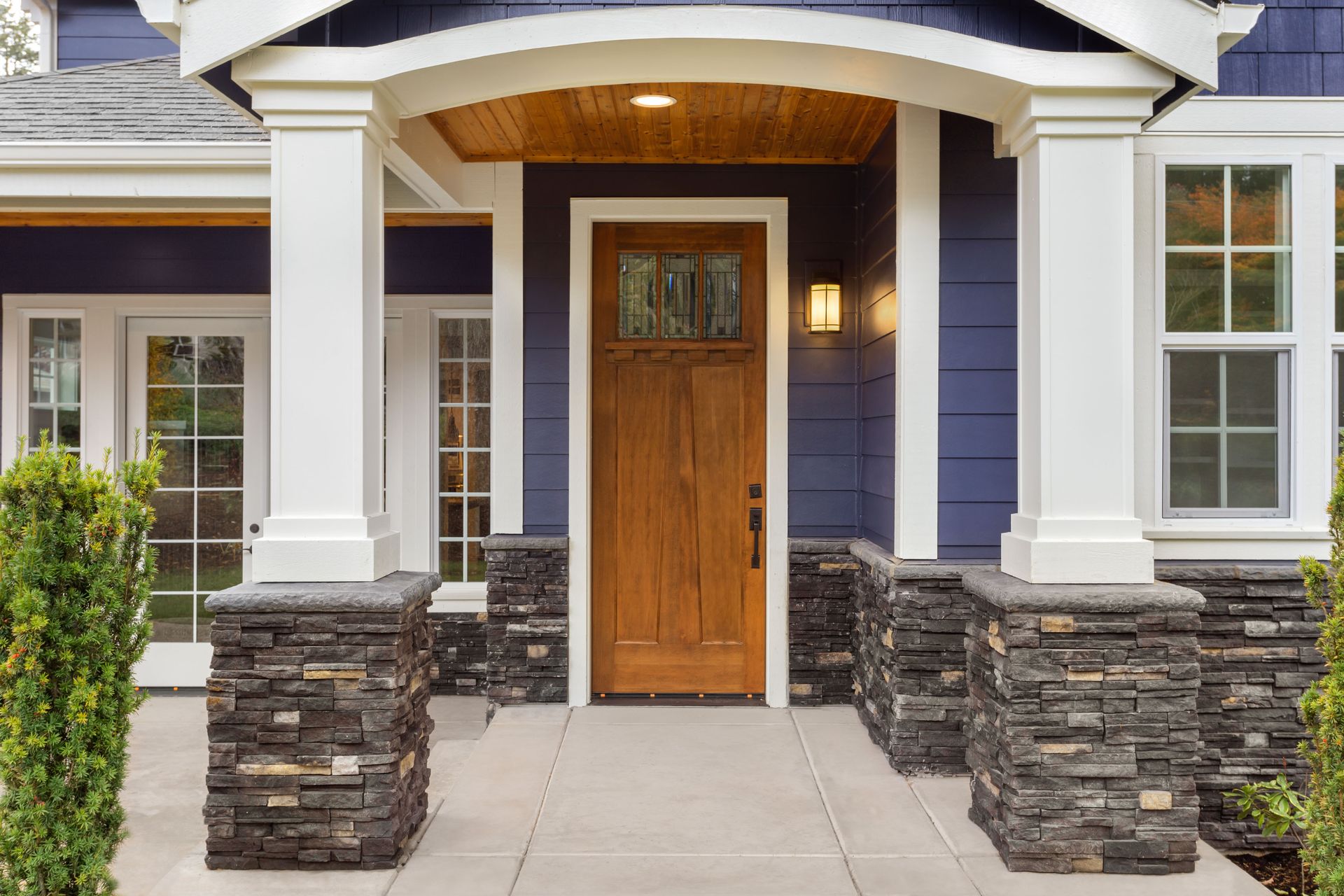
Exterior doors serve as a crucial barrier between your indoor living space and the surrounding climate, playing an essential role in your property's overall energy management. When you choose to upgrade or install a new entryway, partnering with professional exterior door installers ensures that every seal, alignment, and structural detail aligns with modern thermal efficiency standards. Expert exterior door installers possess the technical skills required to eliminate drafts, optimize insulation values, and transform your home's entrance into an effective thermal barrier. Investing in high-performance materials paired with expert craftsmanship protects your living spaces against extreme weather conditions while consistently reducing monthly utility expenses.
Modernize Door Materials
Selecting the proper construction material represents the primary step toward achieving superior entry efficiency. Solid timber provides natural aesthetic beauty alongside decent structural density, but wood can expand or warp when exposed to fluctuating moisture levels. Steel units deliver exceptional durability and security, yet they usually demand specialized thermal breaks inside the frame to prevent heat from conducting across metal surfaces. Fiber-reinforced polymers offer an ideal middle ground by combining resilient weather resistance with dense internal foam cores that resist thermal loss. Skilled exterior door installers can evaluate your local environment to recommend material choices that maintain long-term durability without sacrificing insulating power.
Maximize Insulation Performance
The structural architecture of a modern doorway heavily influences how well it retains internal building temperatures. Solid composite constructions generally outperform decorative alternatives by minimizing air pockets and avoiding direct conductive pathways. High-efficiency cores filled with polyurethane foam create robust barriers against seasonal thermal transfer, keeping warm air inside during winter and blocking external summer heat. Incorporating decorative glazing or side panels introduces potential efficiency challenges unless those glass components feature double or triple-pane construction with insulating inert gas fills. Working alongside experienced exterior door installers guarantees that your chosen design balances visual appeal with optimal insulating performance across every structural element.
Seal Against Drafts
Air leakage around entry framing remains one of the largest contributors to residential heat loss and elevated utility costs. Precision weatherstripping systems create continuous perimeter seals that prevent ambient drafts from entering through small gaps. Modern sealing technologies utilize flexible elastomeric compounds and adjustable bottom thresholds that adapt to subtle structural settling over time. Regular maintenance coupled with periodic seal replacements preserves this protective boundary against harsh winds and driving rain. When exterior door installers mount your entry unit, they meticulously adjust perimeter seals to ensure an airtight seal that optimizes overall thermal performance.
Evaluate Door Positioning
The physical direction your entryway faces drastically affects its daily exposure to wind, sunlight, and precipitation. North-facing entry points in cooler regions encounter intense winter winds that accelerate conductive cooling across structural surfaces. Conversely, south-facing installations absorb heavy solar radiation that can overheat interior spaces if proper protective coatings or shading structures are absent. Analyzing geographic exposure helps you choose glass treatments, framing materials, and protective overhangs tailored to your climate zone. Knowledgeable exterior door installers assess these spatial factors to select insulating features that neutralize solar heat gain and localized wind chill.
Utilize Advanced Glazing
Integrating glass panels into an entryway offers natural daylighting while requiring specialized coatings to control energy loss. Low-emissivity glass treatments apply micro-thin metallic coatings that reflect long-wave infrared heat, keeping summer heat outside while reflecting indoor heating back inside during winter. Multi-pane units separated by argon or krypton gas spacers add secondary insulating barriers that vastly outperform single-pane alternatives. Balancing daylight admission with thermal retention demands precise glass selection based on regional climate demands. Certified exterior door installers help select high-performance glazing options that illuminate your foyer without compromising total energy efficiency.
Access Premium Materials
Working with specialized contractors provides direct access to professional-grade building products and advanced mounting technologies that standard hardware stores rarely stock. Commercial-grade flashing membranes, structural adhesives, and high-density insulating cores yield longer-lasting defense against outdoor weather conditions. Specialized installation techniques prevent frame twisting and thermal bridging over decades of daily operation. Superior product selection directly enhances total thermal retention across your home envelope. According to EcoWatch, energy-efficient-rated homes sell for over 2.5% more than unrated homes, and better-rated homes sell for 3% to 5% more than lesser-rated homes, proving that high-caliber entry upgrades generate tangible market value.
Assess Professional Services
Different installation companies offer varying scopes of service, ranging from basic drop-offs to full-service architectural replacements. Comprehensive contractors handle structural evaluations, custom product sourcing, complete weatherization, and site cleanup in a unified package. Understanding available service packages allows you to select options that match your project scope and financial plan. Clear service offerings prevent unexpected project costs and streamline communication throughout the installation process. Evaluating contractor capabilities ensures that every aspect of your entry upgrade receives professional attention.
Confirm Aftercare Coverage
Ongoing post-installation support ensures that your entry systems perform at peak efficiency throughout seasonal shifts. Reliable contractors provide maintenance recommendations, threshold adjustment services, and swift assistance for minor operational tweaks. Having access to continuing expert support keeps weather seals properly aligned as your home naturally settles. Long-term contractor relationships simplify routine maintenance and preserve energy performance. Asking about post-installation care guarantees that your entryway stays draft-free and fully functional over its entire service life.
Conduct Seasonal Inspections
Routine visual and physical checks help maintain high energy performance by detecting wear before draft problems develop. Seasonal maintenance reviews should focus on checking perimeter weatherstripping, testing latch alignment, inspecting glass seals, and re-caulking frame joints. Catching minor seal degradation early prevents hidden air leaks from driving up winter heating and summer cooling costs. Prompt adjustments keep hardware operating smoothly without straining the frame structure. Regular maintenance preserves energy savings and extends the operational lifespan of your entry system.
Avoid Common Errors
Improper maintenance habits can compromise even the highest quality door systems over time. Using harsh chemical cleaners can degrade rubber weatherstripping, strip protective finishes, and break down clear caulking joints. Neglecting small air leaks or delaying alignment adjustments allows drafts to persist, straining your HVAC system unnecessarily. Adhering to manufacturer care instructions preserves sensitive protective coatings and flexible seals. Proactive, gentle care ensures that your entryway maintains its energy rating without requiring premature component replacements.
Anticipate Design Trends
Next-generation entry design focuses on combining sustainable production methods, smart climate adaptability, and ultra-dense insulation technologies. Future door systems will feature self-healing surface finishes, phase-change insulating cores, and fully integrated solar-harvesting glass. These structural breakthroughs aim to minimize heat transfer while actively generating renewable power for low-voltage home electronics. Evolving design practices ensure that residential entryways remain central to net-zero home design strategies.
Evaluate Investment Returns
Upgrading entry systems delivers measurable returns through reduced monthly utility charges and increased real estate appraisal values. Modernizing drafty entryways decreases HVAC workload, lowering seasonal energy expenditure significantly over time. Higher thermal efficiency ratings also boost home market appeal among environmentally conscious buyers. Analyzing energy bill reductions against initial upgrade costs underscores the strong financial return of modern building envelope upgrades.
Exterior doors remain fundamental to maintaining a comfortable, energy-efficient home environment throughout every season. Choosing high-quality insulated materials, maintaining fresh perimeter weatherstripping, and opting for precision installation eliminates drafts while reducing monthly heating and cooling costs. Upgrading your entry system improves indoor climate control, enhances security, and builds valuable property equity. Taking a proactive approach to entry performance empowers you to enjoy sustainable energy savings for years to come. Contact Home Exteriors Energy Consultants today to discover how our expert team can elevate your home's efficiency and comfort with premium door solutions.