August 11, 2026
Exterior door replacements are a significant undertaking for any homeowner. Not only do doors enhance the curb appeal of a home, but they also play a crucial role in security and insulation. This article details everything you need to know about replacing exterior doors, from materials to maintenance. Understanding your options ensures that you select the best doorway solutions for your home's unique needs. Whether you're motivated by aesthetics, functionality, or both, this guide will equip you with the knowledge to make informed decisions.
Understanding the Basics of Exterior Door Replacements
Types of Exterior Doors
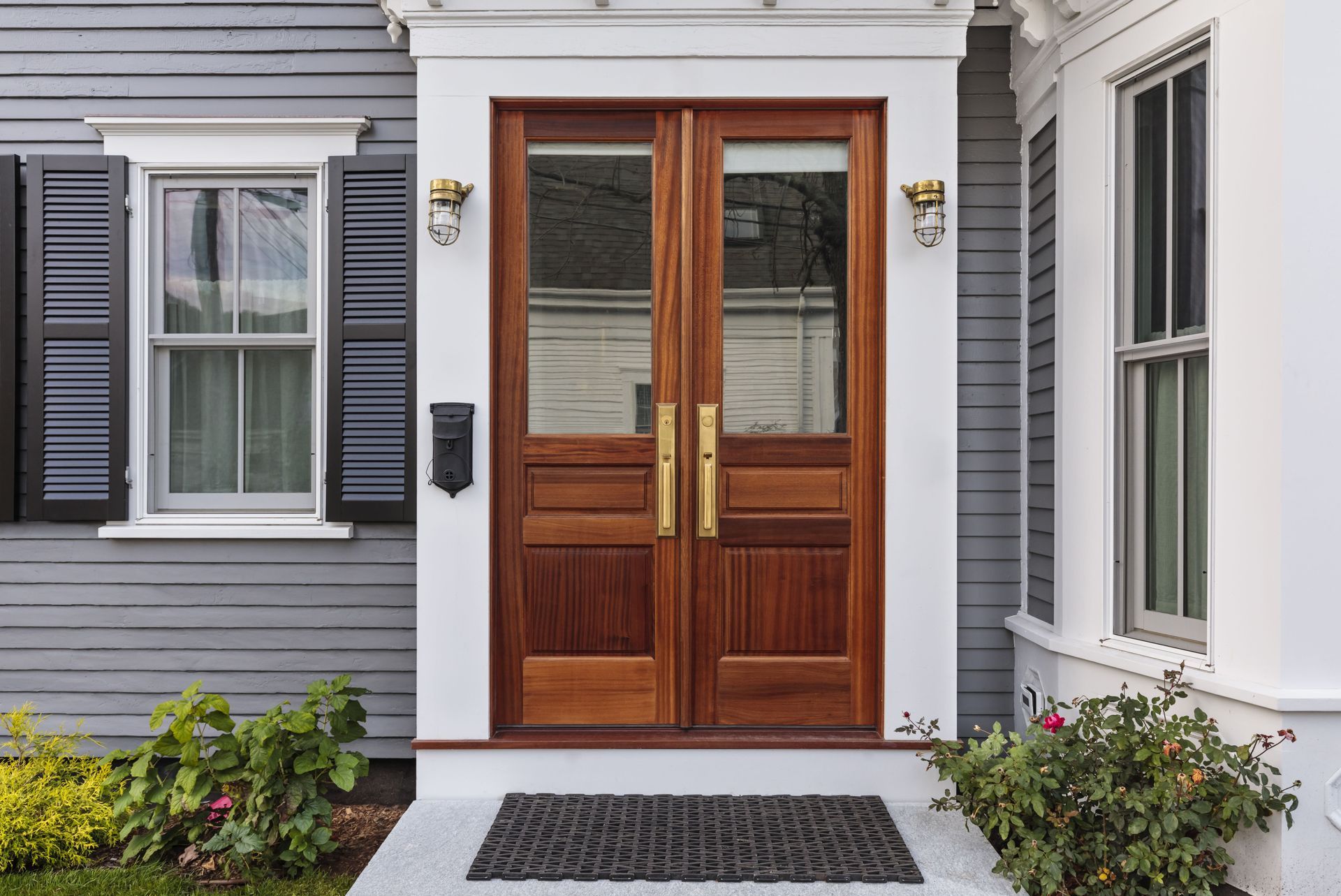
Hinged doors are the most common type of exterior door, swinging on hinges attached to the frame. Sliding doors offer space-saving solutions, ideal for properties with limited swing area. French doors, characterized by their elegant, glass-paneled design, are often chosen for their aesthetic appeal. Bi-fold doors, though less common for primary entrances, are excellent for patios or transitional spaces. Each type serves different purposes and can complement various architectural styles.
The choice of door type should align with the functional needs of your space. Hinged and sliding doors are often highly recommended for homes with straightforward accessibility requirements. French doors are typically favored in homes looking for an aesthetic boost, particularly when aiming to increase natural light. Bi-fold doors might be a consideration for those looking to maximize an open feel between indoor and outdoor spaces. The right type of door can significantly affect your home's atmosphere and functionality.
It's advisable to conduct a thorough assessment of the doorway area for which you're planning a replacement. Consider aspects like traffic flow, energy efficiency, and security when selecting a door type. The practical and aesthetic advantages may vary widely, so understanding each option is crucial. It's suggested to consult with a professional for advice tailored to your specific needs. Proper selection can enhance not only usability but also the value of your home.
Materials Used in Exterior Doors
Wood doors are revered for their traditional appeal, warmth, and versatility in design. However, they require routine maintenance to prevent warping and damage from elements. Fiberglass doors, versatile and energy-efficient, mimic the appearance of wood but with minimal maintenance needs. Steel doors offer superior security and durability but may be prone to rust if not properly sealed. Aluminum doors, lighter in weight, are less popular for primary entries due to their lower insulation properties.
Choosing an exterior door material means considering factors like climate, security needs, and budget. Wood, while beautiful, might not be ideal in extremely humid areas due to its tendency to expand and contract. Fiberglass and steel are advantageous in extreme climates for their durability and energy savings. Aluminum, often used for storm or screen doors, provides a cost-effective option but may not offer the warmth of other materials. Each material brings its own set of benefits and challenges.
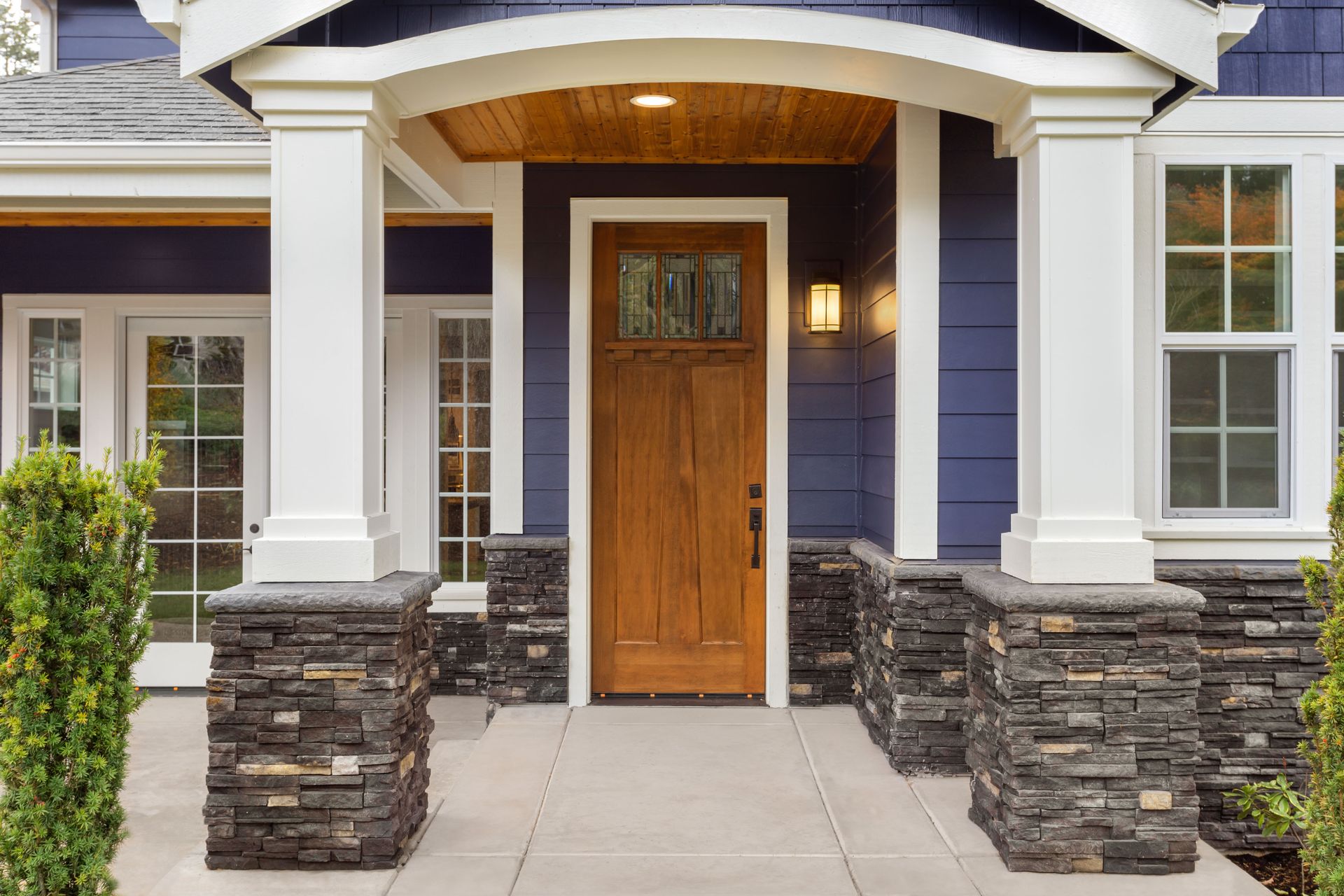
Decisions about materials often require weighing aesthetics against functionality. For instance, while wood offers unparalleled beauty, fiberglass might be the better choice for homeowners prioritizing longevity and energy efficiency. It's important to note that, according to Bob Vila, four weeks after stone veneer siding is installed, a sealer will need to be applied in order to protect the surface. This point underscores the importance of ongoing maintenance for any exterior installations. By carefully considering these factors, you can select a door that meets your aesthetic preferences and practical needs.
Door Sizes and Measurements
Standard front door sizes in the United States typically measure 36 inches in width and 80 inches in height. Precise measurements are crucial for ensuring a proper fit and smooth operation. It's important to account for both door dimensions and the clearance space necessary for opening. Errors in sizing can result in inefficient sealing and compromised security. A professional installation often starts with an accurate measurement to ensure a seamless fit.
Beyond standard sizing, custom dimensions may be required to meet unique structural conditions or design preferences. Homes with period architecture might necessitate bespoke door solutions to maintain historic accuracy. In instances where dimensions exceed standard offerings, consulting a custom door manufacturer can provide tailored solutions. Ensuring proper measurements minimizes the risk of additional adjustments or unexpected modifications. Adhering to proper sizing requirements helps prevent issues related to installation and longevity.
Selecting the Right Exterior Door for Your Home
Functionality requirements
Determining functionality requirements is essential when choosing an exterior door. Consider the specific purpose the door will serve, whether as a main entrance, a patio access point, or a security door. Usage frequency and local weather conditions should also guide your selection. For instance, a frequently used door exposed to harsh weather requires durability and resistance to wear. Adequately assessing these needs ensures that the chosen door complements both lifestyle and home architecture.
The location of the door within the home can significantly impact its suitability. For doors providing rear or patio access, emphasis might be placed on visibility and ease of movement. For main entrances, security and aesthetic appeal typically take higher precedence. Different areas may also require varying levels of insulation or weatherproofing based on local climate conditions. Evaluating these factors allows homeowners to select the most effective and suitable door for each purpose.
Budget Considerations
Effective budget planning is one of the key steps in the door replacement process. While initial costs can be significant, remember to factor in long-term savings from improved energy efficiency and reduced maintenance. Different materials and styles offer varied price points, with options ranging from economical steel to high-end custom wood solutions. Balancing initial costs with durability and performance benefits allows for an informed decision. Investing wisely in quality doors can yield substantial returns on comfort and property value over time.
Understanding cost differences among materials and designs can inform budget-friendly choices. Fiberglass and steel doors provide reliable, cost-effective solutions, often with added energy-efficient benefits. Whereas higher initial costs in wood or custom-designed doors might be justified by enhanced curb appeal and property resale value. Professional consultations can offer clarity on price variations based on specific project needs and expectations. Selecting a door that aligns with both financial and aesthetic goals can be instrumental in ensuring satisfaction with your choice.
Unexpected expenses can occasionally arise during the installation process, affecting overall budget allocation. Factors such as labor complexity, necessary structural adjustments, or additional weatherproofing can lead to increased costs. Creating a budget buffer is recommended to accommodate potential fluctuations. Ensuring transparency in cost estimation can also aid in anticipating any additional expenses. With careful planning and research, establishing a realistic budget enables homeowners to appreciate both short-term financial prudence and long-term economic benefits.
Style and Design Options
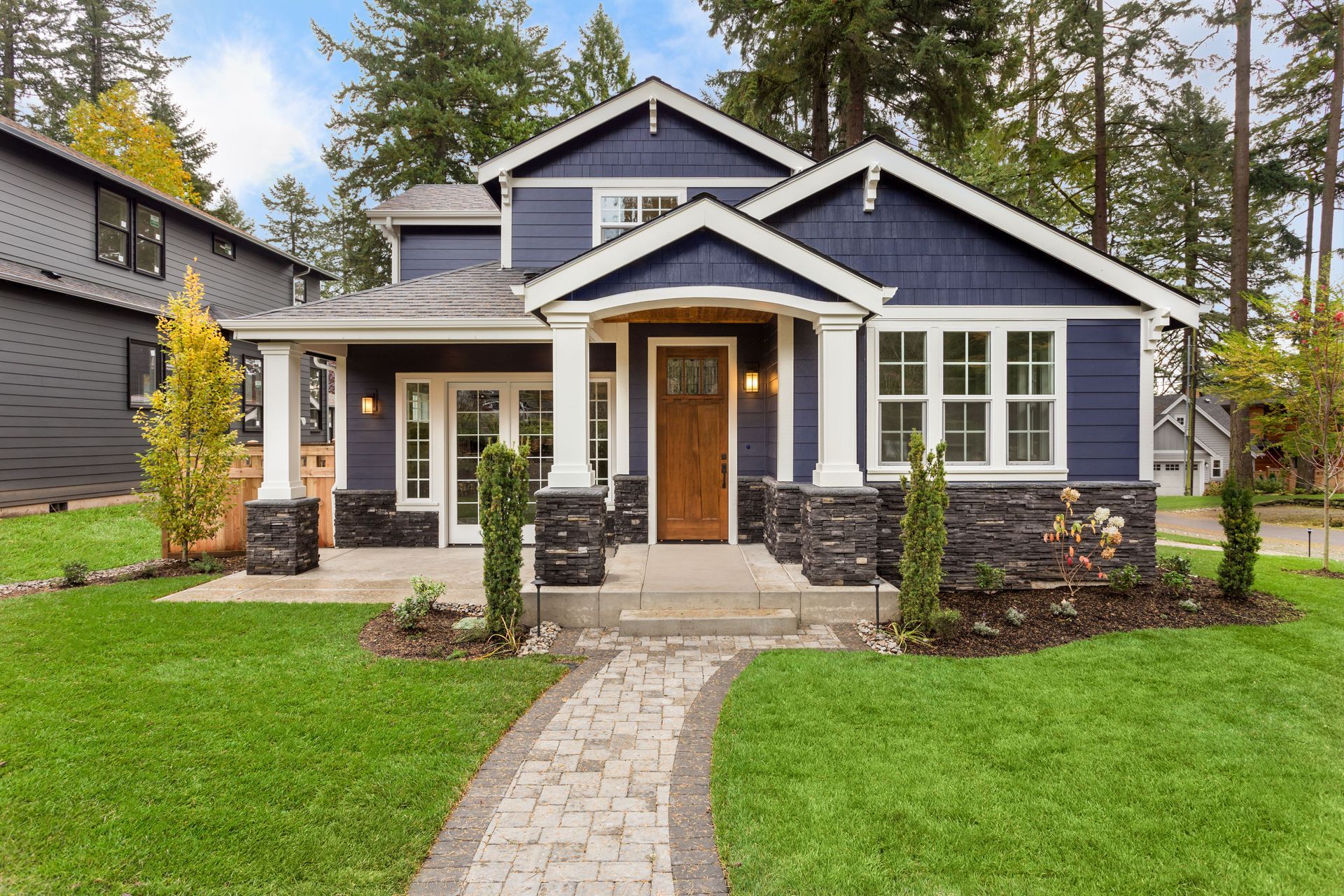
When selecting an exterior door, style and design play a crucial role in achieving aesthetic harmony with the home's architectural theme. Sleek contemporary doors might appeal to modern homes, while a rustic wooden finish often complements traditional styles. Glass features like transoms or sidelights may enhance elegance for both classic and modern designs. Customization options such as colored finishes, decorative glass, or intricate paneling offer avenues to express personal style. Aligning your choice with trending yet timeless designs can elevate your home's curb appeal significantly.
Exploring design trends provides an opportunity to integrate both style preferences and practical functionalities into your door selection. Current trends emphasize minimalist frames, large glass panels, and eco-friendly materials, reflecting modern aesthetic and environmental priorities. It may be beneficial to balance trend-following with customization that resonates with personal taste and enhances your home’s unique personality. A thoughtful design selection ensures that the door contributes positively to the overall home aesthetic and contemporary living standards. Staying attuned to realized innovations allows for a stylish entryway transformation.
Choosing the right exterior door replacement is an investment that can improve your home's appearance, energy efficiency, security, and overall value. By understanding the available materials, styles, sizing requirements, and budget considerations, you can make a decision that fits your needs and complements your home. With careful planning and professional installation, a new exterior door can provide lasting performance and curb appeal for years to come. If you're considering
exterior door replacements, contact Home Exteriors Energy Consultants today.