August 12, 2026
Siding plays a crucial role in safeguarding a home from environmental elements while also enhancing its aesthetic appeal. However, the longevity of siding installations heavily depends on several factors, such as material type, environmental conditions, and maintenance levels. In this comprehensive article, we delve into these factors, providing insights into the durability and longevity of various siding materials available in the market today.
Homeowners have plenty of siding options to choose from, each offering its benefits and potential downsides. Examining common materials like vinyl, wood, fiber cement, metal, and composite will illuminate their respective lifespan expectations and maintenance needs. This article aims to equip homeowners with the necessary knowledge to make informed decisions based on longevity, durability, cost, and other vital factors when selecting siding for their homes.
The discussion begins by dissecting the features of different siding materials, with subsequent sections focusing intricately on each type. By the end of this article, homeowners will be able to confidently evaluate sidings and choose one that aligns with their long-term home improvement strategies.
Section 1: Understanding Siding Materials
Types of Siding Materials
Siding materials come in an array of types, each designed to meet specific functional and aesthetic goals. Vinyl and wood siding have long dominated the market due to their affordability and classic visual appeal. Fiber cement, metal, and composite siding are gaining popularity for their superior durability and modern design possibilities. Understanding these types from a material science perspective reveals inherent strengths and weaknesses. Each material offers varying levels of insulation, durability, ease of installation, and style customization.
Vinyl siding is renowned for its cost-effectiveness and comes in numerous colors and textures suitable for diverse architectural styles. Alternatively, wood siding is beloved for its natural beauty and is often seen in traditional or rustic home designs. More contemporary options like fiber cement and metal offer excellent durability against harsh weather conditions but might require higher initial investment and specialized installation techniques. Composite siding is marketed as an environmentally friendly option with materials made from recycled substances.
The choice of siding should reflect both aesthetic preferences and practical needs, taking into account factors like climate, home design, and budget. Material choice significantly impacts long-term maintenance obligations and potential resale value. To make the best choice, homeowners must consider functional criteria alongside aesthetics, as the performance of siding materials is directly linked to its installation quality, manufacturing standards, and adaptability to local weather conditions.
Durability Considerations
Durability is an overarching factor influencing siding material selection, directly impacting the lifespan and maintenance needs of the product. Vinyl siding, for instance, is praised for its resilience against moisture and UV exposure, while wood siding requires regular sealing to mitigate wood decay from rain and humidity. Factors such as temperature fluctuations, wind exposure, and precipitation levels significantly impact durability and longevity.
Environmental stressors and climate conditions in specific regions necessitate different siding materials to ensure structural integrity and weather resistance. For instance, fiber cement siding provides excellent protection against wood-boring insects and decay, making it ideal for humid and pest-prone areas. Metal and composite options excel in harsh weather environments due to their robust nature, withstanding both thermal expansion and corrosion.
Ultimately, the durability of siding is also contingent upon the quality of installation and maintenance practices over time. Improper installation can lead to premature failure, regardless of material, underscoring the importance of choosing skilled contractors who adhere to manufacturing guidelines. Scheduled maintenance, appropriate cleaning techniques, and timely repairs further extend the life of any siding type.
Initial Installation Quality
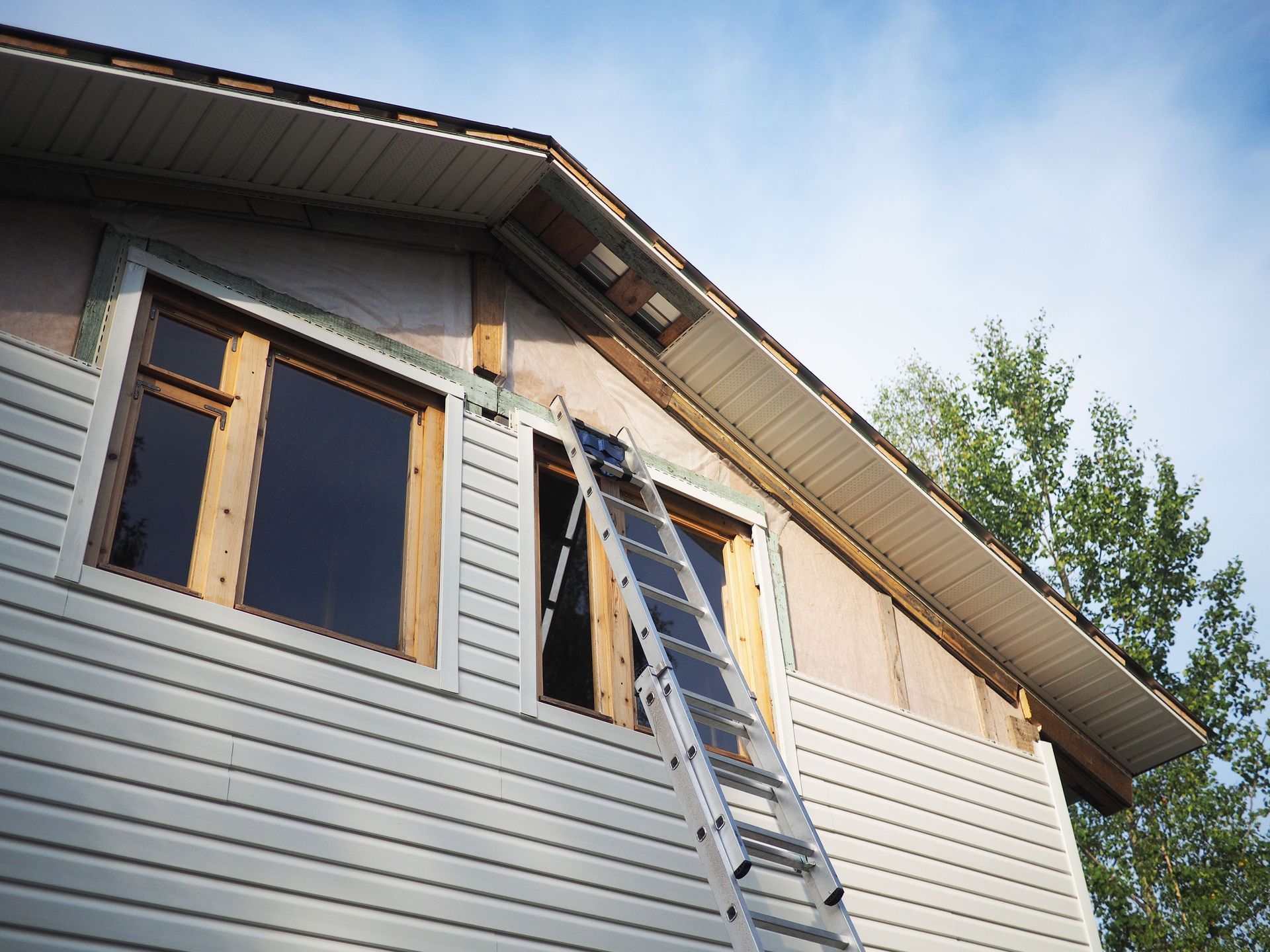
The longevity of siding installations is inherently linked to the quality of workmanship during the initial installation. Professional installation ensures that all edges are snugly aligned, minimizing exposure to the elements. Proper installation techniques prevent common problems such as warping, buckling, or moisture infiltration that can significantly reduce siding lifespan.
Working with experienced and certified contractors guarantees adherence to practices and manufacturer specifications. Substandard installation often leads to gaps and openings, which hinders performance and reduces thermal efficiency. This can escalate energy costs while leaving the house vulnerable to pests and rot.
Investing in quality installation from the start equates to fewer repairs and maintenance needs over the years. This upfront expenditure results in longer material life and lower cost of ownership, highlighting the importance of scrutinizing contractor credentials and reviews before embarking on a siding project. Properly installed siding enhances the aesthetic appeal and structural integrity of a home, thus boosting its market value.
Manufacturing Standards
The manufacturing quality of siding materials dictates their performance and durability over time. Top manufacturers adhere to stringent quality control standards, offering products engineered for longevity and resilience against environmental stressors. Material innovation, such as UV-resistant treatments for vinyl and eco-friendly composites, reflect these advancements in manufacturing processes.
Siding products from reputable sources often come with warranties that cover defects and performance failures, providing added assurance to homeowners. These warranties act as a testament to the manufacturer's confidence in the product's longevity and durability. Such warranties typically span 10 to 30 years for various siding types, with exceptions for accidental damage or improper installation.
As technological innovations advance, so do the manufacturing processes, enhancing functionality and aesthetic customization. Greater consistency in color, strength against impact, and treatment against fungal growth become available amid growing market competition. Purchasing siding from reputable manufacturers ensures long-term reliability and continued development in product design, safeguarding investment.
Environmental Suitability
The appropriate siding material should accommodate local environmental conditions, addressing climate-specific challenges. Coastal areas, subjected to salt air and humidity, penalize metals vulnerable to corrosion, making fiber cement a viable alternative due to its resistance to these corrosive conditions. Conversely, colder climates where temperature shifts are extreme benefit from vinyl siding, which expands and contracts without losing form.
Wood siding, mostly used in regions striving for natural aesthetic harmony, suffers in extremely damp or arid conditions, necessitating continuous maintenance and treatment precautions. Fiber cement and composites are impervious to rot and insect damage, granting them durability in climates subject to heavy insect infestations. Weather pattern analysis is essential in determining the best protective material, possibly invoking customized solutions based on in-depth regional environmental assessments.
Regional climate patterns influence the cost-efficiency of the siding material in maintaining proper indoor climate control. Insulation competence, effect on thermal efficiency, and ability to withstand prevailing environmental pressures are considerations that should not be overlooked. A tailored approach acknowledging the environment maximizes savings through minimized energy bills, reduced maintenance needs, and an overall extended lifespan of the siding.
Section 2: Vinyl Siding
Average Lifespan
Vinyl siding stands out for its impressive lifespan and cost-effectiveness, often lasting between 30 and 40 years, according to The Spruce. This longevity can extend to over 60 years through diligent maintenance and care, underscoring its appeal to homeowners seeking durable, low-maintenance solutions. Vinyl's resilience to moisture coupled with its resistance to color fading further enhances its ability to withstand harsh weather conditions, offering substantial protection to homes.
The lifeline of vinyl siding is greatly influenced by the adherence to installation guidelines, underlining the necessity of professional installers. Proper installation ensures tight seams and meticulous fitting, which contribute to the longevity of the siding. Another dimension influencing lifespan is the quality of vinyl material itself, where high-grade options are reputed for improved endurance against physical damage and temperature-induced warping.
As a flexible material, vinyl adapts to building expansion and contraction, reducing the likelihood of cracks appearing over the years. Its synthetic composition wards off decay and pest infiltration, guaranteeing sustained aesthetic and structural appeal. When compared to traditional materials, vinyl combines convenience with durability, translating into lower lifetime costs due to reduced maintenance frequency and repair needs. Be sure to reach out to Home Exteriors Energy Consultants today to learn more about our professional siding installation!